Choosing the Best LMS for Reseller Education
Picking the right learning management system (LMS) for reseller education is a game-changer. It’s the difference between partners who are just aware of your products and those who become genuine experts, driving serious revenue for your business. A dedicated LMS for Reseller Education is purpose-built to transform your external sales channel into a powerful extension of your own team.
Why Generic Training Tools Fail Your Partners
If you’ve ever tried to train channel partners, you know that standard corporate learning tools just don’t cut it. I’ve seen companies try to shoehorn their internal HR platform into a reseller training role, and it almost always creates more problems than it solves.
The core issue is simple: your partners aren’t your employees. They have entirely different motivations, their own business goals, and they definitely don’t have time for clunky, irrelevant training experiences.
The Motivation Gap
Your employees complete training because it’s part of their job description. Resellers, on the other hand, are entrepreneurs running their own businesses. Their motivation is directly tied to how easily and profitably they can sell your product.
A generic learning platform rarely speaks to this reality. It’s missing the very features that ignite partner engagement, like:
- Clear Certification Paths: Partners want to see a straight line between the effort they put into learning and their earning potential. A visible path to becoming a “Certified Gold Partner” with tangible benefits is a massive motivator.
- Gamification and Leaderboards: A little healthy competition can work wonders. Seeing how they stack up against other resellers encourages partners to complete more training and sharpen their skills.
- On-Demand, Mobile-Friendly Content: Resellers are constantly on the move and in the field. They need quick access to product specs or sales tips on their phone, not a desktop-only course they have to schedule a week in advance.
Branding and Customization Problems

Your brand is one of your most valuable assets, and keeping it consistent across a diverse partner network is absolutely critical. A generic LMS often forces every learner into the same one-size-fits-all experience, diluting your brand and making partners feel like just another cog in the machine.
The ability to give each partner their own branded learning portal is a huge differentiator. It makes your partners feel like they are part of an exclusive, high-value program, not just another number in your system.
This is where a specialized LMS for reseller education really shines. It allows for a multi-tenant setup, giving each reseller or distributor a unique, co-branded portal. This reinforces their connection to your brand while giving them a professional platform they can be proud to use with their own teams.
The demand for these specialized systems is exploding for a reason. The global LMS market was valued at around $29 billion in 2025 and is projected to grow dramatically in the coming years, a clear signal of how vital effective training platforms have become. You can dig deeper into this growth with recent market analysis from Grand View Research. Trying to manage partners without a purpose-built system means you’re leaving both money and loyalty on the table.
What to Look For in a Reseller Training LMS
Not all learning platforms are built the same, especially when you’re trying to educate and empower an entire network of external partners.
When I sit down with businesses to map out their reseller education strategy, we quickly move beyond basic features like uploading courses. A truly effective LMS for reseller training needs a specific set of tools. These tools are designed to motivate, manage, and measure an external sales force.
Think of this as your core checklist when you’re evaluating platforms. These are the capabilities that turn a simple content library into a genuine partner enablement engine.
Branded and Segmented Partner Portals
First up is a feature called multi-tenancy. It sounds technical, but the concept is simple. It’s the ability to create separate, custom-branded learning portals for different partners or even different tiers within your program.
You absolutely don’t want your top-tier Gold partners wading through the same introductory content as a brand-new reseller just getting started.
With a multi-tenant setup, you can give each major partner a learning environment that feels like their own, complete with their logo right alongside yours. This is more than just a cosmetic touch. It makes a huge psychological difference. It solidifies the partnership and makes the training feel exclusive, professional, and directly relevant to them.
This image shows a fairly standard, one-size-fits-all LMS dashboard.
For reseller education, you need to imagine this space being completely transformed for each partner. It should display their branding and show only the courses and certifications that matter to their team.
Robust Certification and Gamification
Let’s be honest, resellers are motivated by clear goals and real rewards. A great reseller LMS has built-in tools for creating structured certification paths that tie learning directly to tangible benefits, like better margins, co-op marketing funds, or access to new leads.
Look for these specific capabilities:
- Tiered Certifications: Build out distinct levels like “Certified Sales Professional” or “Expert Technician” that give partners a clear ladder to climb.
- Automated Badging: Instantly award digital badges when a course is completed. This provides immediate recognition and a shareable credential.
- Leaderboards: A little friendly competition goes a long way. Displaying which partners or individuals are leading the pack in training completions can be a powerful motivator.
These features transform training from a simple requirement into an engaging challenge. When partners see a direct line connecting their learning efforts to their status in your program, they are far more likely to invest the time.
Deep CRM and API Integration
This one is non-negotiable. Your LMS for reseller education has to connect seamlessly with your Customer Relationship Management (CRM) system, whether that’s Salesforce, HubSpot, or something else. If it doesn’t, your training data is stuck on an island, making it impossible to measure its actual impact on your bottom line.
When your LMS and CRM talk to each other, you can finally answer the most important question: “Are our trained partners selling more than our untrained partners?”
This integration lets you track critical metrics right inside your CRM. You can see which partners are certified, how their training progress correlates with their sales pipeline, and pinpoint which courses are producing the most successful reps. For a deeper dive, you can learn more about how to choose an LMS with the right integrations in our complete guide.
Flexible Content and Analytics
Finally, your platform has to support the kind of content that actually works for busy partners on the go. This means moving beyond static videos and dense PDFs.
When looking at different platforms, prioritize those that make it easy to create and deliver more engaging formats, like interactive SOPs that walk partners through complex sales processes or product configurations.
The system should handle a variety of modern formats:
- Microlearning: Short, bite-sized lessons that can be consumed on a mobile device in just a few minutes.
- Live Webinars: Integrated tools to host live training sessions and Q&As without making partners jump to another platform.
- Knowledge Checks: Quizzes and short assessments to ensure partners are actually retaining what they learn.
On the back end, you need analytics that deliver real, actionable insights. A good dashboard will show you far more than just completion rates. It should highlight engagement patterns, identify where partners are getting stuck, and help you continuously refine your training materials for better results.
Comparing the Top LMS Platforms for Resellers
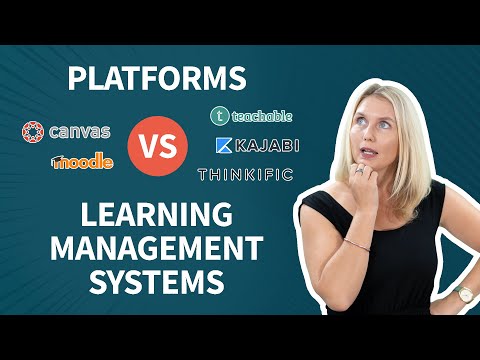
Alright, now that we know what to look for, let’s put some of the leading platforms under the microscope. Choosing an LMS for Reseller Education is about finding the one that truly fits your business goals, your partners’ needs, and where you are on your growth journey. It’s not about just ticking off the most features.
I’ve worked with startups managing a handful of partners and global giants juggling thousands, and their requirements couldn’t be more different. The perfect platform for one is an expensive, frustrating mistake for the other. Let’s break down the practical differences to help you see which one solves your puzzle.
Multi-Tenancy: The Brand Experience
The ability to create unique, branded portals for different partners is a huge differentiator. It’s often the first thing that separates a basic LMS from a true partner enablement platform.
Imagine Platform A. It offers a solid, straightforward multi-tenant solution. You can upload a partner’s logo, adjust the color scheme, and assign their specific courses to their portal. This is a great starting point for companies that want a clean, consistent brand experience across their entire network. It’s professional and gets the job done.
Now consider Platform B. It takes customization to a whole other level. You aren’t just swapping logos. You are creating completely distinct learning environments with unique homepages, different navigation, and even custom domains for key partners. This is essential for companies managing diverse brands or catering to strategic partners who expect a true white-labeled experience.
For a new company launching its first channel program, Platform A is probably more than enough. But for a global enterprise selling multiple product lines through different distributors, the flexibility of Platform B is non-negotiable for maintaining brand integrity.
Certification and Partner Tiers
Certifications are the backbone of a great reseller program. They motivate partners and create a clear path for them to build expertise. But how platforms handle them varies dramatically.
Let’s say you have a three-tiered partner program: Bronze, Silver, and Gold.
Platform A lets you build a simple, linear certification path. A partner completes Course 1, then Course 2, then Course 3 to become “Certified.” It’s clean, effective, and perfect for straightforward product training.
Platform B offers more complex, rule-based certifications. You could require partners to complete two out of three elective courses, attend a live webinar, and score 85% on a final exam. You could also set up automatic recertification reminders and build prerequisite paths where completing the “Sales Pro” badge unlocks the “Technical Expert” curriculum.
This added sophistication in Platform B is invaluable for programs with specialized roles. It allows you to build a true enablement machine that guides partners down specific learning journeys based on their business focus. It moves beyond simple course completion to building verifiable expertise.
The real power of an LMS isn’t just tracking who finished a video. It’s in its ability to build, validate, and display partner expertise in a way that directly translates to more confident and capable sellers in the field.
Integrations That Drive Revenue
As we covered, connecting your LMS to your CRM is a must. The depth of that integration, however, is where you find the real value.
A basic integration might just pass a “course completed” status from the LMS to a contact record in your CRM. That’s helpful, but it’s barely scratching the surface.
A more advanced integration, the kind you find in a top-tier LMS for Reseller Education, does so much more. For example, it could automatically enroll a new partner in an onboarding course the second they’re added to your CRM. It could also update partner tiers in the CRM based on completed certifications, unlocking new lead assignments or preferential pricing in real-time. This level of automation eliminates tedious manual work and ensures your systems are always perfectly in sync.
The right decision often boils down to a few key questions about your goals. This decision tree offers a simple visual guide to help you think through the most critical requirements for reseller training.

As the flowchart shows, if your needs include custom branding and sophisticated certifications, a specialized partner platform is the clear choice over a generic one.
Feature Comparison of Top Reseller Education LMS Platforms
To make this more concrete, let’s look at how different types of platforms stack up against the features that matter most for reseller training. This table compares key features across leading LMS platforms, focusing on criteria crucial for effective reseller training and enablement.
| Feature | The “Starter” Platform | The “Professional” Platform | The “Enterprise” Platform |
|---|---|---|---|
| Best For | Startups or small businesses launching their first partner program. | Mid-sized companies with an established, growing channel network. | Large, global enterprises with complex, multi-tiered partner ecosystems. |
| Multi-Tenancy | Basic logo and color customization for partner groups. | Fully branded portals with some layout customization. | Completely unique, white-labeled environments with custom domains. |
| Certifications | Linear, straightforward certification paths based on completion. | Rule-based certifications with prerequisites and electives. | Advanced logic, recertification cycles, and skills mapping. |
| CRM Integration | Pushes completion data to the CRM. | Two-way sync of user data and basic automation triggers. | Deep integration with custom objects and advanced workflow automation. |
| Reporting | Standard reports on course completion and user activity. | Customizable dashboards and segmentable user reports. | Predictive analytics, BI tool connectors, and detailed ROI tracking. |
This comparison makes it obvious that the “best” platform is entirely situational. A startup would be wasting money on the enterprise-level features, while a global corporation would quickly hit a wall with the starter option. This same logic applies to different partner models, a topic we explore further in our guide to the best LMS for affiliate training, which comes with its own unique set of needs.
Ultimately, your choice should be guided by a clear-eyed view of where your partner program is today and where you plan to take it in the next three to five years. Picking an LMS that can grow with you is one of the smartest investments you can make.
How Real Companies Win with Reseller Training

Talking about features is one thing, but seeing how these tools deliver real business wins is what truly matters. I’ve seen firsthand how a well-executed LMS for reseller education can completely change the game for a company’s channel sales. This is where the investment in partner training really pays off.
Let’s look at a couple of real-world scenarios. These aren’t just theories. They’re proven strategies I’ve seen drive revenue and forge much stronger partner relationships.
Boosting Sales with Strategic Certifications
I recently worked with a mid-sized tech company struggling with wildly inconsistent sales across its reseller network. Some partners were absolutely crushing their quotas, while others could barely move any product. The issue was a massive gap in product knowledge and sales skills, not a lack of effort.
To fix this, they rolled out an LMS with a smart, multi-tiered certification program. They didn’t just create a generic “product certified” badge. Instead, they built a clear path for partners to follow:
- Sales Associate: Focused on core product features and nailing the elevator pitch.
- Sales Professional: Added competitive positioning and objection handling.
- Solutions Expert: Required deep technical knowledge and a live demo assessment.
Each tier unlocked better incentives, like higher margins and access to qualified leads. The results were fantastic. Within six months, partners who hit the “Solutions Expert” level were outselling their non-certified peers by over 30%. This clear path motivated the entire network to level up. To make certification programs even more effective, it’s crucial to integrate modern pedagogical approaches. You can learn more about the best practices for online teaching here.
Keeping a Global Network Synced with Mobile Learning
Another great example comes from a hardware manufacturer with hundreds of resellers scattered across different continents and time zones. Their biggest headache was keeping everyone updated. A new product launch or a simple software update turned into a logistical nightmare of making sure every single partner got the memo.
They switched to an LMS with a strong mobile learning and push notification system. Now, when a new product update drops, they can push a short, five-minute microlearning module straight to their partners’ phones.
This approach completely transformed their communication. Resellers could watch a quick feature demo on their tablet right before walking into a client meeting, ensuring they were always equipped with the latest, most accurate information.
Partner satisfaction scores shot up because they finally felt supported and informed. This simple shift from long-form webinars to on-demand mobile content made their training instantly accessible and useful in the field.
This model is part of a bigger trend. The Asia Pacific region, for example, is seeing LMS adoption grow at an incredible 22.5% annual rate, largely driven by this kind of digital shift. Blended learning, mixing online activities with traditional instruction, has been a game-changer for engaging reseller networks.
These stories show that the right features directly lead to powerful business outcomes. It’s about using certifications to build a more capable sales force and mobile learning to keep a distributed team agile and informed. This is exactly how you can calculate and prove the ROI on training for your own program. When you have the right system, the connection between targeted education and channel revenue becomes undeniable.
Your Guide to a Successful LMS Launch
Alright, you’ve done the hard work of comparing platforms and you’ve finally picked the perfect LMS for Reseller Education. That’s a huge step. But here’s the reality: the platform itself is just a tool. A successful launch is what really determines whether your partners embrace it or ignore it.
I’ve seen too many great platforms gather digital dust because the rollout was rushed or poorly planned. Let’s make sure that doesn’t happen to you. Think of this as your practical roadmap to getting your new LMS off the ground smoothly and getting partners genuinely excited to use it.
Laying the Groundwork Before You Go Live
Before you even think about inviting partners, you need a solid foundation. This is all the behind-the-scenes work that makes the public launch feel effortless. A bit of planning here will save you a mountain of headaches later.
First up is content migration. Gather all of your existing training materials, from those scattered PDFs and old webinar recordings to PowerPoint decks. Now is the perfect time to audit everything. Is it still relevant? Can it be broken down into shorter, more digestible microlearning modules?
Next, get your technical integrations in order. This means connecting the LMS to your CRM and any other essential tools. This step is absolutely critical for tracking how training impacts sales down the line. Don’t skip it.
Finally, set up your learning paths and certification tiers. Map out exactly what a new partner needs to learn in their first 30 days. Define the requirements for your “Certified Partner” or “Gold Tier” status so there’s a clear, motivating path for them to follow from day one.
The Power of a Pilot Program
I cannot stress this enough: do not skip the pilot phase. A pilot program is your secret weapon for a flawless launch. It’s your chance to work out all the kinks with a small, friendly group of partners before you open the floodgates.
Here’s how to run a successful pilot:
Select a Diverse Group: Choose a handful of partners to participate. Make sure to include a mix of your top performers, some new partners, and even one or two who might be a little less tech-savvy. Their varied feedback will be invaluable.
Set Clear Expectations: Let them know they are the first to see the new platform and that their honest feedback is crucial. Frame it as an exclusive preview where they get to help shape the future of your partner program.
Gather Structured Feedback: Don’t just ask them if they “like it.” Ask specific questions. Was the navigation intuitive? Did the course content make sense? Were there any technical glitches? A simple survey or a quick call can work wonders here.
This process gives you the chance to fix broken links, clarify confusing instructions, and smooth out the user experience. By the time you launch to your entire network, you’ll be confident that the system works exactly as intended.
Crafting Your Launch Communication Plan
How you announce your new training platform matters. A single email with a login link is not going to cut it. You need to build excitement and clearly communicate what’s in it for your partners.
Your communication plan should create a drumbeat of excitement leading up to the launch. Think about a sequence of messages.
- Teaser Announcement (2 weeks out): Send a “coming soon” email. Announce that a new, state-of-the-art partner portal is on its way, designed to help them sell more effectively.
- Value Proposition (1 week out): Follow up with more details. Highlight specific benefits like on-demand training, mobile access, and new certification paths that unlock better rewards.
- Launch Day: Send the official launch email with clear instructions on how to log in. Consider hosting a short kick-off webinar to walk partners through the platform and answer questions in real time.
After the launch, keep the momentum going. Feature a “course of the week” in your newsletter or highlight partners who achieve their first certification on a leaderboard. Continuous promotion is key to driving long-term adoption and making your LMS for reseller education a central part of your channel strategy.
Still Have Questions About Reseller Education LMS?
That’s a lot to take in, I know. Picking the right learning platform is a huge decision, and it’s smart to get all your questions answered before you make a move. Let’s dig into a few of the most common ones I hear from companies wrestling with this exact challenge.
My goal here is to clear up any lingering doubts so you can move forward feeling confident you’re on the right track.
How Is a Reseller LMS Different From a Regular Corporate LMS?
This is probably the most important question to get right. At first glance, they can look similar, but their DNA is completely different.
A corporate LMS is built for an internal audience, your employees. It’s fundamentally an HR and operations tool, focused on things like compliance training, company policies, and internal onboarding.
A reseller LMS, on the other hand, is purpose-built for an external sales army. Its entire reason for existing is to drive channel revenue. You see the difference in the features that really matter:
- Multi-tenancy: A standard corporate LMS rarely needs this. But for resellers, it’s non-negotiable. It lets you spin up separate, custom-branded learning portals for each partner, making them feel like the platform was built just for them.
- Advanced Certifications: This isn’t about checking a box for compliance. It’s about strategically motivating sales behavior with clear tiers, rewards, and status that partners actually care about.
- Deep CRM Integrations: The connection has to go way beyond just syncing user lists. It’s designed to directly link training activity to actual sales performance, giving you a clear line of sight between learning and revenue.
Think of it this way: a reseller platform is a sales enablement machine. A corporate LMS is an internal management tool. They solve two very different problems.
What Metrics Should I Track to Measure ROI?
To really understand the return you’re getting, you have to look past the easy numbers like course completion rates. Honestly, those are mostly vanity metrics. They tell you people clicked “complete,” but they don’t tell you if the training actually worked.
The only metrics that truly matter are the ones that connect learning to business outcomes. You need to know if your training is making your partners better at selling your stuff.
This means you need to get focused. Start tracking the sales performance of certified partners versus those who aren’t certified. Look at the average time it takes for a new partner to close their first deal after finishing their onboarding. Are they ramping up faster?
Also, keep an eye on partner engagement scores and certification levels over time. This is where that deep CRM integration becomes so critical. It’s the only way to pull all this data together and see the real story of what’s driving your channel sales.
Can I Use One LMS for Both Internal Staff and Resellers?
You can, but it comes with a massive “if.” It only works if the LMS has exceptionally strong audience segmentation and multi-tenancy features. You can’t just throw everyone into the same pot.
A good partner LMS lets you create completely separate, walled-off learning environments for different groups. This is key. Your resellers should log into a portal that looks, feels, and functions as if it were built exclusively for them, with their branding, their content, and zero clutter from your internal training.
Trying to shoehorn both audiences into a basic, single-environment LMS almost always backfires. It creates a clunky, confusing, and unprofessional experience for your partners. When in doubt, it’s almost always better to get a system that was designed for the job from the ground up.